Knowledge Base & Technical Documentation in Laboratory Operations (DGLIMS)
Laboratory operations depend not only on testing and instrumentation, but on how knowledge is created, maintained, and transferred over time. SOPs, work instructions, method documents, validation records, and technical guidance form the backbone of consistent laboratory performance. Without structured documentation control, even experienced laboratories struggle to maintain reliability as staff change, methods evolve, and regulatory expectations increase.
This page explains the role of a laboratory knowledge base, where documentation control typically fails, and why structured technical documentation is essential for sustainable laboratory operations.

Why Documentation Is a Core Laboratory Asset
In regulated and high-throughput laboratories, documentation defines:
- How work must be performed
- Which methods are approved and current
- How deviations are handled
- How consistency is maintained across staff and shifts
Documentation is not static reference material. It is an active control mechanism that ensures laboratory work remains repeatable, auditable, and defensible.
How Documentation Control Breaks Down in Practice
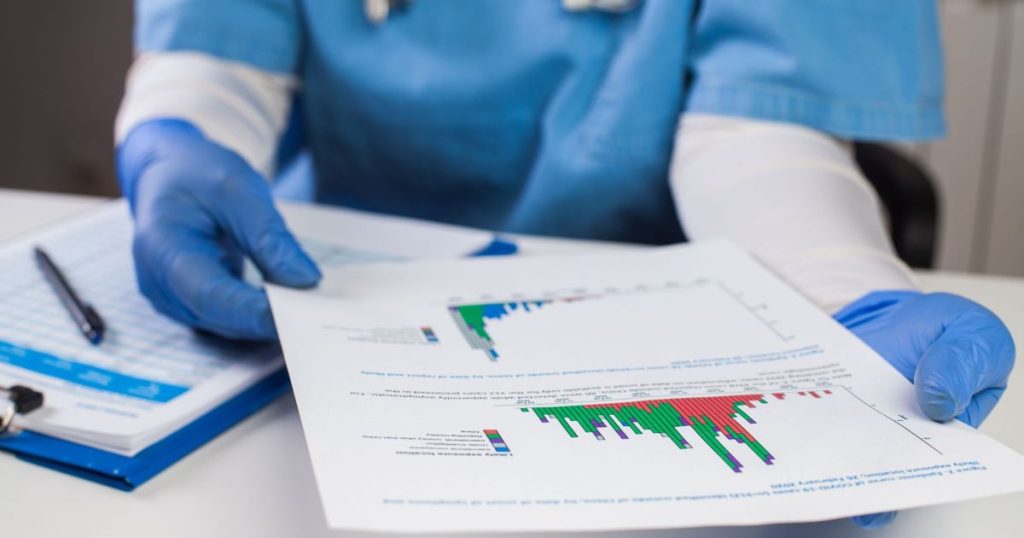
In many laboratories, technical documentation is scattered across:
- Printed SOP binders
- Shared network folders
- Personal computers
- Email attachments
Over time, this leads to:
- Multiple versions of the same SOP in circulation
- Uncertainty about which document is current
- Staff following outdated procedures
- Difficulty proving document control during audits
- Time lost searching for the correct reference
These failures are often exposed only when an inspection or incident occurs.

Version Control and Change Management
Laboratory documentation evolves continuously due to:
- Method updates
- Regulatory changes
- Instrument upgrades
- Process improvements
Without structured version control:
- Changes are not clearly tracked
- Old procedures remain in use
- Staff are unaware of updates
- Audit trails become unclear
Regulators expect laboratories to demonstrate not only that SOPs exist, but that changes are controlled, reviewed, approved, and communicated.
Training and Knowledge Continuity
Documentation plays a critical role in:
- Training new staff
- Supporting competency assessments
- Preserving institutional knowledge
When knowledge is stored informally, laboratories become dependent on individuals rather than systems. Staff turnover then results in:
- Loss of operational consistency
- Increased errors
- Longer onboarding times
A structured knowledge base ensures that expertise is retained even as personnel change.
Documentation and Audit Readiness
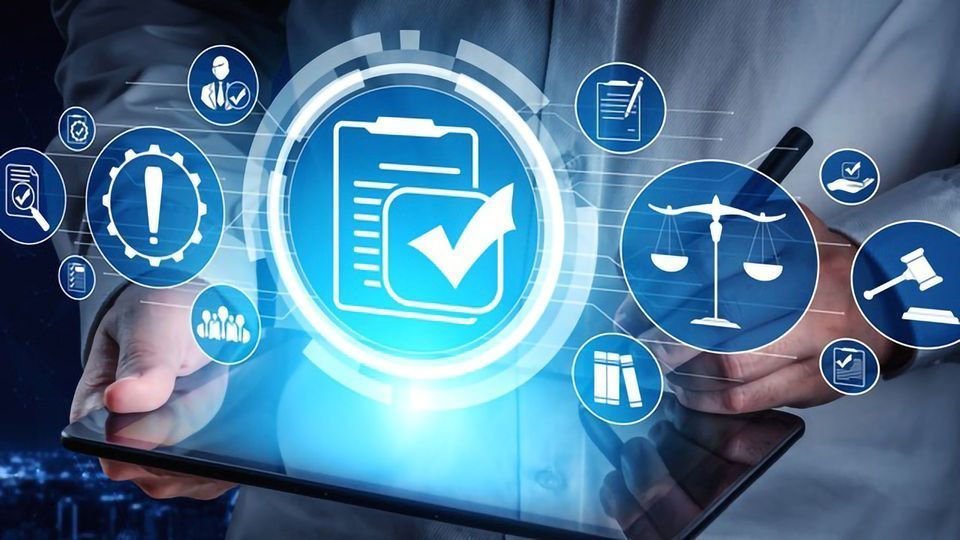
During audits and inspections, laboratories are often asked to demonstrate:
- Current approved SOPs
- Historical versions of procedures
- Evidence that staff followed approved methods
- Records of document review and approval
If documentation cannot be retrieved quickly and confidently, auditors may question overall laboratory control, regardless of analytical quality.
The Role of DGLIMS in Knowledge Governance
Within laboratory environments, DGLIMS provides a centralized framework for managing technical knowledge and documentation, rather than treating SOPs as static files.
As laboratories grow, manual documentation systems fail to:
- Enforce version control
- Link procedures to actual laboratory activities
- Demonstrate compliance during audits
- Support consistent training and execution
A structured LIMS approach ensures that documentation remains controlled, accessible, and aligned with laboratory operations.

Formal documentation governance becomes critical when:
At this stage, informal document management introduces operational and compliance risk.
Laboratories operate under accreditation or regulatory oversight
Multiple departments or locations are involved
Staff turnover increases
Methods and processes evolve frequently
Audits and inspections are routine
Conclusion
A laboratory’s credibility depends on more than accurate results. It depends on how knowledge is managed, applied, and preserved over time. Structured technical documentation ensures that laboratory operations remain consistent, compliant, and resilient as complexity grows. Without it, control gradually erodes even in well-intentioned and experienced teams.