
Reality Check: Pharmaceutical Manufacturing Lab Workflows in Pakistan

(Standalone SOP-Based Page – Pharmaceutical QC & QA Laboratories)

Pharmaceutical manufacturing laboratories in Pakistan do not operate in isolation. Their workflows are tightly coupled with production schedules, batch release timelines, regulatory inspections, and supply commitments. While SOPs describe controlled laboratory processes, daily operations are shaped by time pressure, manual coordination, and compliance risk.

This reality check explains how pharmaceutical QC and QA laboratories actually function on the ground—beyond documented procedures.

Sample Flow Is Driven by Production, Not the Lab

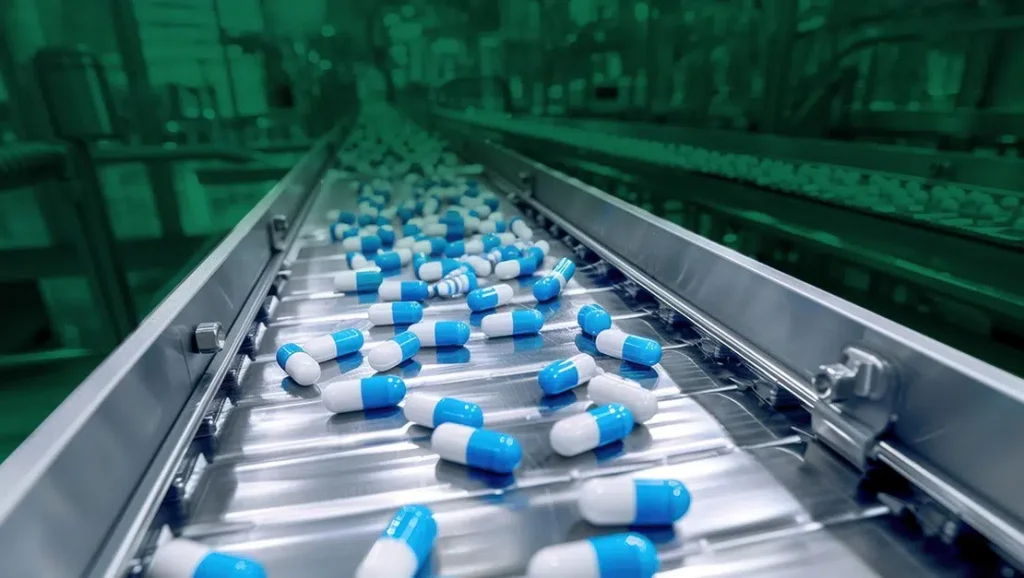
In pharmaceutical manufacturing, laboratory workload is dictated by production output. Samples arrive continuously from:
  • Raw material intake
  • In-process manufacturing stages
  • Finished product batches
  • Packaging materials
  • Environmental monitoring points
  • Stability chambers

Samples are often delivered in batches aligned with production milestones. Laboratory teams are under constant pressure to prioritize testing so that manufacturing is not delayed.

In many Pakistani facilities:
  • Sample logging is manual or semi-digital
  • Stage identification (raw, in-process, finished) relies on paper labels
  • Priority is communicated verbally or through emails

This creates early risk in sample identity, stage linkage, and testing priority.
Accessioning and Test Assignment Under Time Pressure

Once received, samples are accessioned and assigned tests based on:
  • Product type
  • Manufacturing stage
  • Regulatory specification
In Practice
  • Test selection is often manual
  • Worksheets are prepared separately
  • Method references may be cross-checked manually

As product portfolios expand, manual test assignment becomes error-prone, especially when similar products have different specifications or limits.

Instrument-Centered Work, Fragmented Data Flow

Pharmaceutical QC labs are heavily instrument-dependent, including:
  • HPLC and GC systems
  • Dissolution testers
  • UV-Vis and FTIR instruments
  • Karl Fischer titrators
  • Microbiology systems
Each instrument generates raw data in its own environment. Data handling commonly involves:
  • Printed chromatograms
  • Standalone instrument software
  • Manual transcription into worksheets
  • Calculations performed in Excel

As long as batch volume is manageable, this appears functional. As workload increases, data flow becomes fragmented and difficult to govern.

Review and Approval Are Compressed Into Short Windows

Result review and batch disposition are often constrained by production timelines. QA and QC managers review:
  • Large volumes of data
  • Multiple batches simultaneously
  • Under pressure to release or hold decisions
Corrections and clarifications may occur rapidly, sometimes without full documentation of:
  • What changed
  • Why it changed
  • Who authorized the change

This creates downstream data integrity and audit defensibility risk.

Documentation Burden Grows Faster Than Control

Pharmaceutical labs generate extensive documentation:
  • Worksheets
  • Raw data
  • Chromatograms
  • OOS investigations
  • Deviations
  • Stability records
In many Pakistani labs, these records are stored across:
  • Paper files
  • Network folders
  • Excel sheets
  • Separate QA archives

Reconstructing a complete batch history later is often a manual, time-consuming exercise, especially during inspections.

Why This Reality Persists

This workflow persists because:
  • Production pressure overrides process optimization
  • Staff compensate for system gaps
  • Audits are periodic, not continuous
  • Problems are fixed retrospectively

However, this model depends heavily on individual discipline and memory, not enforced system control.

Reality Check Summary

Pharmaceutical manufacturing laboratories in Pakistan are technically capable but structurally strained. Daily operations succeed through human effort rather than controlled workflows. As product lines grow and inspections intensify, this reliance becomes risky.

Understanding this operational reality is essential before analyzing failure points, regulatory expectations, or system alignment.