API & Instrument Integration in Laboratory Operations (DGLIMS)
Modern laboratories generate large volumes of data directly from analytical instruments, supporting systems, and external platforms. The reliability of laboratory results depends not only on how tests are performed, but on how data moves between instruments, systems, and records without loss, alteration, or ambiguity.
This page explains how API and instrument integration functions in real laboratory environments, where manual handling introduces risk, and why structured integration becomes essential as laboratories scale and digitize.
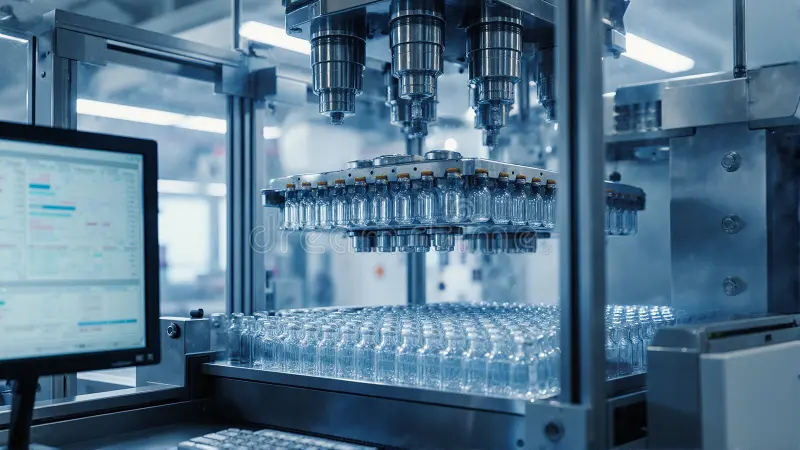
Why Instrument Data Flow Matters
Analytical instruments such as chromatographs, spectrometers, analyzers, and meters produce raw data that forms the foundation of reported results. The way this data is transferred, stored, and linked to samples determines whether results are defensible.
Laboratories must be able to demonstrate:
- Where data originated
- Which instrument generated it
- Under what conditions it was produced
- How it was associated with a specific sample and test
If data movement cannot be traced clearly, confidence in the final result is weakened.
How Data Handling Breaks Down Without Integration
In many laboratories, instrument data handling relies on:
- Manual file transfers
- Printed outputs
- Copy-paste into spreadsheets
- Separate instrument computers
As instrument count and workload increase, this leads to:
- Transcription and calculation errors
- Loss of raw data context
- Inconsistent file naming and storage
- Difficulty linking results back to samples
- Increased effort during audits or investigations
These issues often remain unnoticed until data is challenged.


Instrument Integration and Data Integrity
Integrated environments reduce risk by ensuring that:
- Raw data is captured directly from instruments
- Results are linked automatically to the correct sample and test
- Time stamps and instrument identity are preserved
- Manual re-entry is minimized
This strengthens data integrity and reduces reliance on individual diligence.
The Role of APIs in Laboratory Connectivity
APIs enable controlled data exchange between:
- Instruments and laboratory systems
- LIMS and ERP or quality systems
- Laboratory platforms and external stakeholders
Without standardized integration, laboratories rely on ad hoc workarounds that increase operational complexity and reduce traceability.
APIs provide a structured mechanism to move data consistently, securely, and traceably across systems.

The Role of DGLIMS in Compliance Governance
Within laboratory environments, DGLIMS functions as a central governance layer for instrument and system connectivity, not simply a data repository.
As laboratories grow, manual handling and disconnected systems fail to:
- Preserve complete data lineage
- Maintain consistent associations between samples, results, and instruments
- Support efficient audit reconstruction
- Scale across multiple instruments and locations
A structured LIMS approach ensures that integrated data remains attributable, traceable, and defensible.
Regulatory and Quality Expectations
Auditors and regulators increasingly expect laboratories to demonstrate:
- Clear linkage between reported results and raw instrument data
- Controlled data transfer without undocumented manipulation
- Traceable timestamps and user actions
- Secure handling of electronic records
Manual data handling is often viewed as a systemic risk, even when staff are competent and experienced.
Formal instrument and API integration becomes critical when:
At this stage, reliance on manual transfer becomes a liability rather than a temporary solution.
Laboratories operate multiple instruments
Sample throughput increases
Electronic records replace paper
Results support regulatory, legal, or commercial decisions
Conclusion
Instrument integration and API connectivity are not technical conveniences. They are foundational elements of data integrity and operational trust. As laboratories scale and digitize, structured integration ensures that data flows are reliable, traceable, and defensible from instrument output to final report.