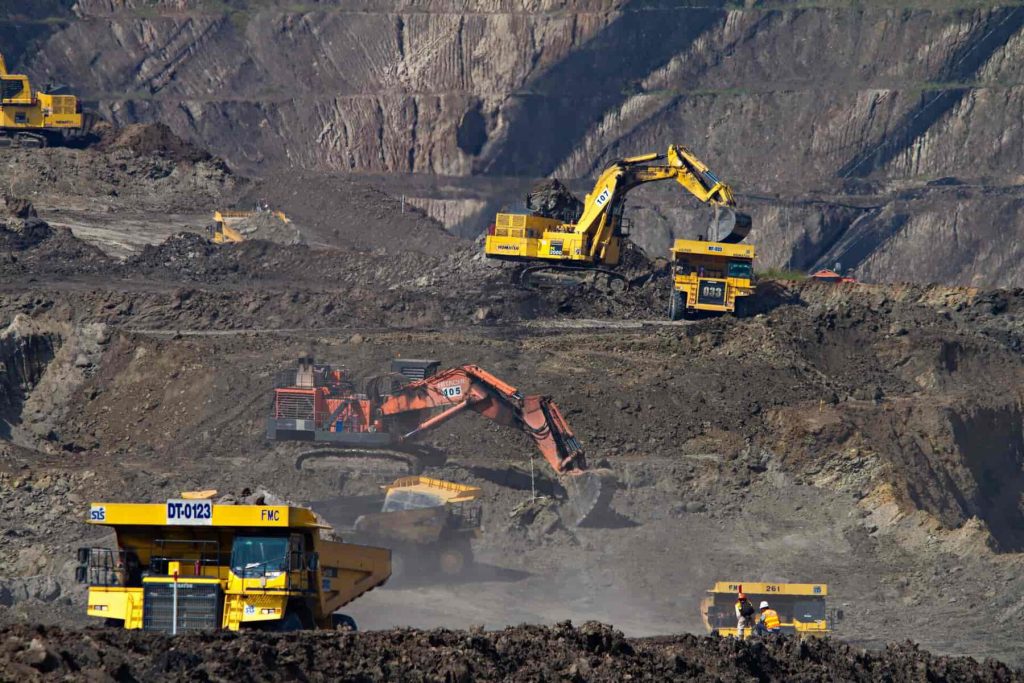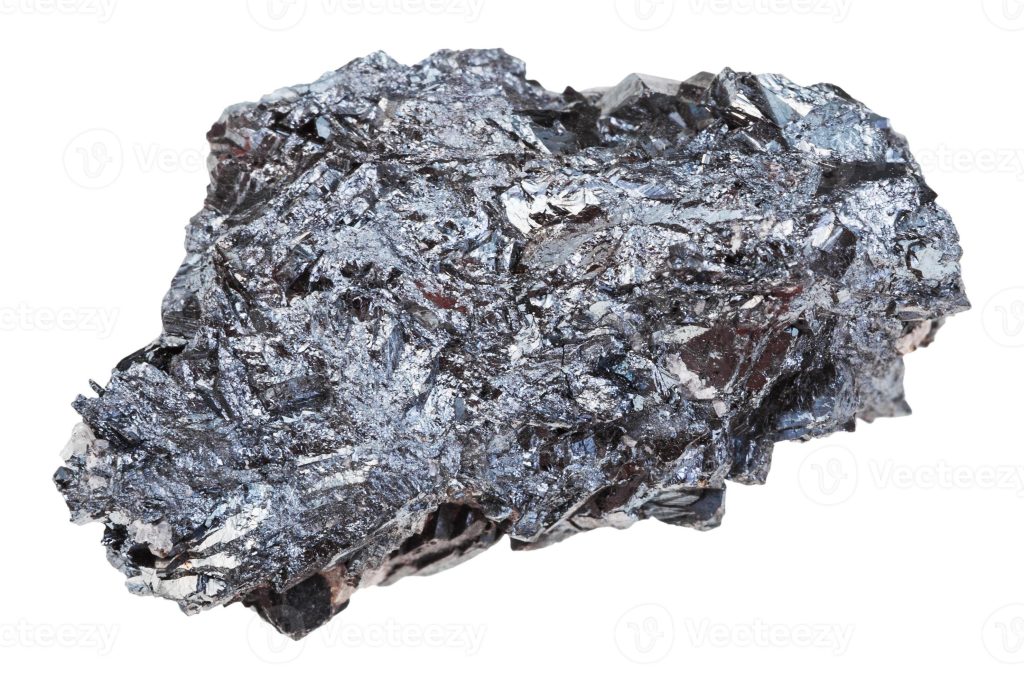
Mining and metals laboratories operate at the intersection of field activity, laboratory preparation, analytical testing, and commercial decision-making. Workflow mapping makes explicit how samples must move through these stages in a controlled, traceable manner to produce defensible and reproducible data. This page maps real mining lab operations in Pakistan and explains how a structured LIMS approach (such as DGLIMS) aligns control across each stage.
Samples originate in the field and arrive at the laboratory in batches after transport delays.
Each field sample is registered at receipt with a unique identity, source details, and custody record that persists through all subsequent stages.
Samples are routed to crushing, grinding, and splitting based on workload and availability.
Preparation stages are defined and recorded as part of the workflow, with each step linked to the originating sample.
Samples are split into multiple subsamples for different analyses.
Parent–child relationships are enforced so every subsample is traceable back to its source.
Analytical instruments operate independently.
Analytical data is captured and linked directly to the sample, method, and instrument context.
QC data may be reviewed separately from results.
QC checks are associated with analytical runs and evaluated before results progress.
Reports are assembled under commercial timelines.
Review and authorization are explicit steps with documented responsibility and justification.
Reports and supporting data are stored across multiple locations.
Final reports are retained with complete preparation, analytical, and QC history.
Workflow mapping is not about efficiency alone; it is about decision confidence. Partial digitization improves presentation but leaves preparation and traceability gaps. Structured workflow alignment shifts control from individuals to processes, supporting high-stakes exploration and production decisions.
When mining laboratory workflows are mapped end-to-end, laboratories gain predictability, audit confidence, and data reliability. Control replaces reconstruction, and laboratory data becomes a trusted foundation for technical and commercial decisions.