Food & Beverage LIMS for Pakistan (DGLIMS)
Food and beverage testing laboratories in Pakistan play a direct role in public health, trade compliance, and brand protection. These laboratories support manufacturers, exporters, regulators, and retailers by verifying that food and beverage products meet safety, quality, and regulatory standards before reaching consumers.
Despite this responsibility, many food testing laboratories operate under high sample volumes, tight turnaround times, and fragmented documentation systems. As regulatory oversight and export requirements increase, manual processes introduce risk that is often only discovered during audits, border rejections, or contamination investigations.
This page explains how food and beverage laboratories actually operate in Pakistan, where failures typically occur, what regulators expect, and how structured laboratory control systems such as DGLIMS fit into this environment without promoting software or listing features.
Operational Reality
Food and beverage laboratories in Pakistan support a wide range of activities, including:
- Raw material testing
- Finished product analysis
- Shelf-life and stability testing
- Microbiological safety testing
- Chemical contaminant analysis
- Nutritional and labeling verification
Samples arrive from:
- Food manufacturers
- Beverage producers
- Exporters
- Retailers
- Government inspection programs
Daily operations typically involve large batch sample intake, often driven by production schedules or export deadlines. Samples include diverse matrices such as solid foods, liquids, powders, oils, dairy products, meat, and beverages each requiring different preparation and analytical methods.
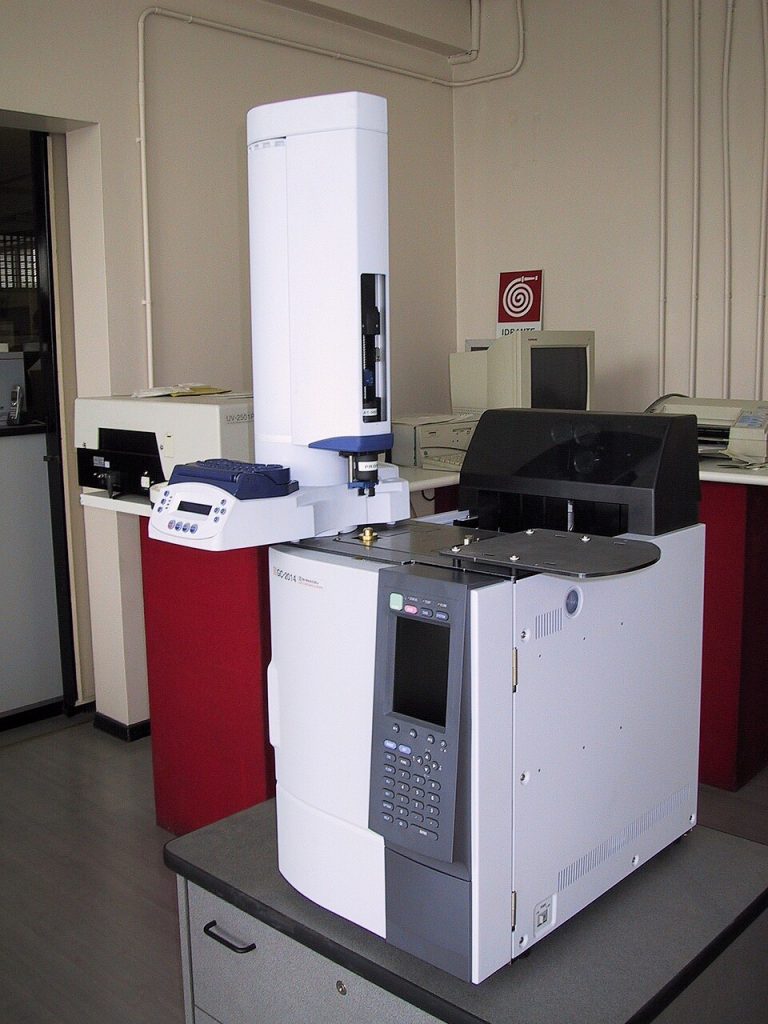
Laboratories rely heavily on instruments such as:
- HPLC and GC systems
- Spectrophotometers
- Microbiological incubators and counters
- Moisture analyzers
- pH meters and titration systems
In many labs, sample intake, test assignment, and result tracking are handled using paper registers, Excel sheets, and standalone instrument software. As sample volume and matrix diversity increase, manual coordination becomes unstable, increasing the risk of delays, errors, and incomplete traceability.
Reporting timelines are often tied to export clearance, regulatory compliance, and product release, making documentation delays commercially damaging.
Industry Reality Metrics
Based on observed patterns in Pakistani food and beverage testing laboratories:
- 200–800 samples per day, depending on season and export cycles
- 8–15% of samples require re-analysis due to preparation or documentation issues
- 20–35% of results undergo secondary review or correction
- 45–65% of audit findings relate to traceability, method application, or documentation gaps
- 24–120 hours average turnaround time, often compressed for export shipments
These metrics show that pressure in food labs is driven by volume, diversity, and deadlines, not lack of technical skill.

Food laboratory professionals in Pakistan experience clear and recurring pain:
These pain points are real, frequent, and often emotionally exhausting for laboratory teams.
Fear of regulatory non-compliance and license suspension
Stress before food authority inspections and export audits
Loss of control during peak export seasons
Re-testing and wasted analyst effort due to documentation gaps
Manual transcription errors from instruments to reports
Fragmented paper and Excel systems causing daily frustration
Internal blame when shipments are delayed or rejected
Pressure from manufacturers and exporters for faster results
Reputational damage from failed export consignments
Feeling of being “one contamination issue away from a crisis”
Failure Point Analysis
Common failure points in Pakistani food and beverage laboratories include:
- Sample mislabeling during high-volume intake
- Incomplete chain-of-custody from client to lab
- Incorrect matrix or method selection
- Instrument calibration and verification gaps
- Manual result transcription into reports or Excel
- Fragmented storage of raw data, prep records, and reports
Many failures are low frequency but high severity. A single undocumented result or traceability gap can lead to export rejection, regulatory action, or public health concern.
Pakistan Regulatory & Audit Expectations
Food testing laboratories in Pakistan are expected to demonstrate:
- Clear sample traceability from receipt to reporting
- Verified instrument calibration and maintenance
- Method validation and verification records
- Data integrity and audit trails
- Traceable, reproducible, and defensible results
Auditors focus more on PROCESS CONTROL and DOCUMENTATION
than on individual test values.
Correct results without defensible documentation are treated as non-compliant.

Role of DGLIMS
In food and beverage laboratories, DGLIMS functions as a laboratory workflow control and documentation framework.
Paper logs and spreadsheets fail as sample volume and matrix diversity increase. Partial digitization creates false confidence by improving reports without controlling underlying workflows.
A structured LIMS approach stabilizes food lab operations by enforcing:
- Consistent sample tracking
- Controlled method assignment
- Data integrity and accountability
- Audit-ready documentation
The objective is risk reduction and operational stability, not software adoption.
Decision Context
Food testing laboratories typically face four choices:
- Continue with paper and Excel (low cost, high compliance risk)
- Partial automation (temporary relief, fragmented traceability)
- Full LIMS adoption using DGLIMS (higher effort, long-term stability)
- Outsource testing (loss of control and turnaround delays)
A LIMS becomes necessary when sample volumes rise, export dependency increases, and regulatory scrutiny intensifies.

Implementing a food laboratory LIMS in Pakistan typically involves:
Most mid-size food labs complete implementation within 3–6 months, depending on complexity and instrument count.
Workflow mapping across sample types
Method configuration for diverse matrices
Instrument integration and validation
Parallel testing during transition
Staff training and resistance management
SOP and audit documentation updates
Food laboratories using a structured LIMS approach typically achieve:
These outcomes directly support compliance, client trust, and business continuity.
Reduced re-testing and resampling
Faster export and regulatory audits
Clear accountability across staff
Consistent reporting formats
Long-term data integrity and retrieval
Conclusion
For food and beverage laboratories in Pakistan, operational pressure, regulatory scrutiny, and commercial deadlines intersect daily. As testing volume and complexity increase, manual systems become unsustainable. A structured LIMS approach provides the governance framework required to maintain safety, compliance, and operational confidence.